syauchennai

Select the Right Industrial Robot for Your Factry

How to Select the Right Industrial Robot for Your Factry

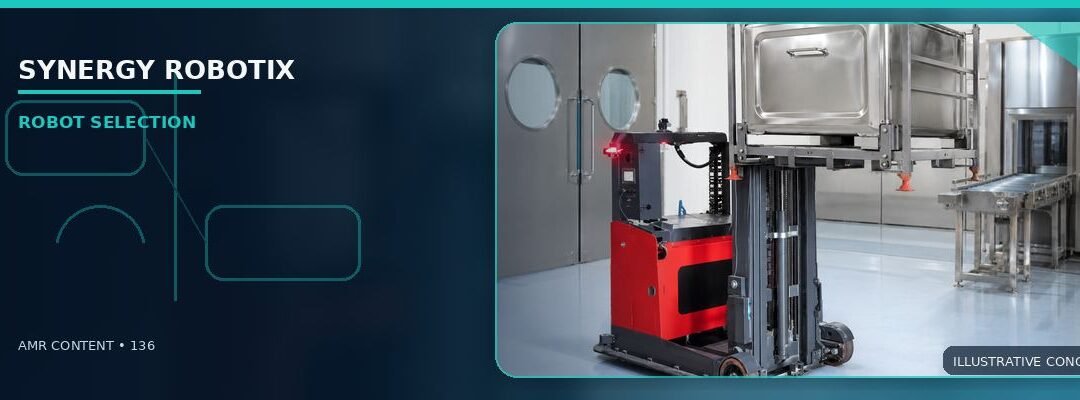
Choosing the right industrial robot is one of the most important decisions in factory automation. The right robot can improve productivity, reduce repetitive manual work, increase product quality, improve safety, and support long-term automation growth. The wrong robot can create downtime, integration problems, safety risks, poor performance, and weak ROI. Industrial robot adoption continues to […]

How to Select the Right Industrial Robot for Your Factry Read More »

Industrial Robots and Their Applications Across Industries

Types of Industrial Robots and Their Applications Across Industries

Industrial robots are transforming how factories produce, move, inspect, package, and deliver products. From automotive welding lines to electronics assembly, food packaging, pharmaceutical handling, warehouse logistics, and palletizing, robots are helping industries improve productivity, quality, safety, and consistency. Robot adoption is no longer limited to large automotive manufacturers. Industrial robots are now used by small,

Types of Industrial Robots and Their Applications Across Industries Read More »

Solutions in Implementing AGV Systems

Challenges and Solutions in Implementing AGV Systems

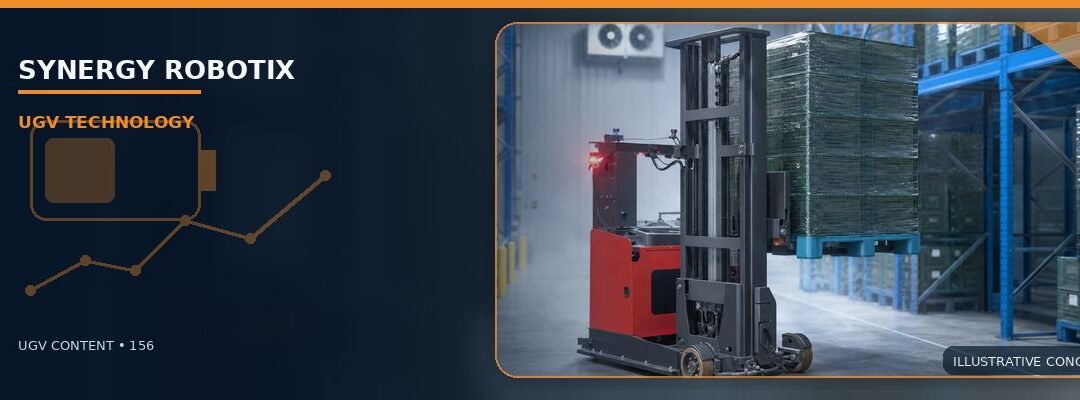
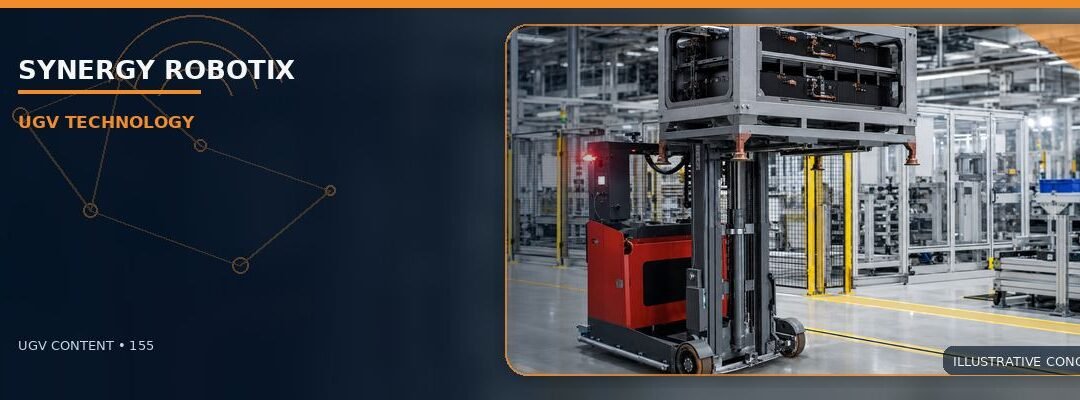
Automated Guided Vehicles, or AGVs, are becoming an important part of modern factory and warehouse automation. They help move pallets, raw materials, components, work-in-progress items, and finished goods without manual driving. For manufacturers, AGVs can improve material flow, reduce repetitive transport work, lower forklift dependency, increase delivery consistency, and support safer operations. The AGV market

Challenges and Solutions in Implementing AGV Systems Read More »

Every Modern Factory Should Consider Autonomous Mobile Robots

Why Every Modern Factory Should Consider Autonomous Mobile Robots

Modern factories are facing pressure to produce faster, reduce labor dependency, improve safety, and keep materials moving without delays. However, many facilities still depend on manual transport, forklifts, carts, and workers walking long distances to move parts between storage, production, inspection, packaging, and dispatch areas. These manual workflows often create hidden productivity losses. Autonomous Mobile

Why Every Modern Factory Should Consider Autonomous Mobile Robots Read More »

AMRs Are Becoming the Backbone of Industry 4.0

Why AMRs Are Becoming the Backbone of Industry 4.0 and Smart Factory Automation

Industry 4.0 is changing the way factories operate. Modern manufacturers are moving away from isolated machines and manual workflows toward connected, flexible, data-driven production systems. In this new environment, material movement plays a critical role. Raw materials, components, tools, work-in-progress items, and finished goods must move at the right time, to the right place, with

Why AMRs Are Becoming the Backbone of Industry 4.0 and Smart Factory Automation Read More »

Choose the Right AGV or AMR for Your Factory Automation Needs

How to Choose the Right AGV or AMR for Your Factory Automation Needs

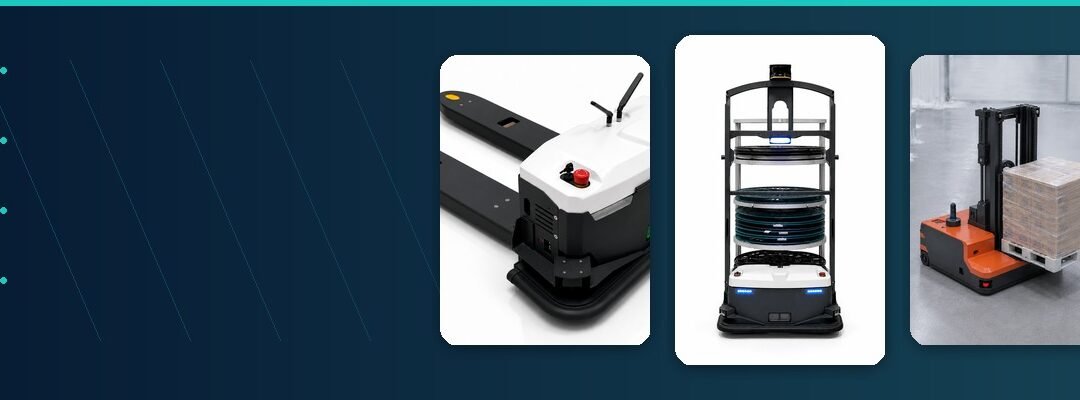
An AGV, or Automated Guided Vehicle, usually follows fixed or predefined routes. An AMR, or Autonomous Mobile Robot, navigates more flexibly using sensors, software, maps, and obstacle detection. KUKA explains that AGVs and AMRs are designed for similar transport tasks but differ in flexibility, infrastructure needs, and scalability. The right choice depends on your factory

How to Choose the Right AGV or AMR for Your Factory Automation Needs Read More »

Mobile Robots Improve Productivity

How Autonomous Mobile Robots Improve Productivity

Productivity is one of the biggest challenges for modern factories, warehouses, and logistics operations. Even when a business has skilled workers and advanced machines, productivity can drop if materials are not available at the right time, workers spend too much time walking, or production lines wait for internal transport. This is where Autonomous Mobile Robots,

How Autonomous Mobile Robots Improve Productivity Read More »

Robotics and Automation Are Driving

How Robotics and Automation Are Driving the Next Industrial Revolution

Robotics and automation are no longer future concepts. They are already changing how factories, warehouses, logistics centers, and production facilities operate. Modern industries are under pressure to produce faster, reduce errors, improve safety, manage labor shortages, and stay competitive in a global market. To meet these demands, companies are adopting industrial robots, autonomous mobile robots,

How Robotics and Automation Are Driving the Next Industrial Revolution Read More »

Mobile Robots Are Enhancing Material Transport in Smart Factories

How Mobile Robots Are Enhancing Material Transport in Smart Factories

Material transport is one of the most important parts of a modern factory. Raw materials must reach production lines on time, work-in-progress items must move between stations, and finished goods must be transferred to storage, packaging, or dispatch areas without delay. In traditional factories, this movement is often handled manually by workers, forklifts, pallet trucks,

How Mobile Robots Are Enhancing Material Transport in Smart Factories Read More »

Difference Between AMR and AGV

What is the Difference Between AMR and AGV? A Complete Guide for Modern Industries

Modern factories, warehouses, and logistics centers are under constant pressure to move materials faster, reduce manual handling, improve safety, and increase operational efficiency. As a result, many businesses are turning to mobile robot automation. Two of the most common technologies used for automated material movement are AGVs and AMRs. AGV stands for Automated Guided Vehicle.

What is the Difference Between AMR and AGV? A Complete Guide for Modern Industries Read More »